


Championing Health Equity for Black Women
About the PAIRADIME Project
The PAIRADIME Project is dedicated to advancing psychological research that sheds light on the complex factors driving cardiometabolic health disparities in Black women. We focus on the interplay between chronic stress, trauma, and culturally shaped health behaviors to build a deeper, evidence-based understanding of these critical issues.
Our mission is to center Black women’s lived experiences, recognizing the radiant cultural energy and resilience deeply rooted in Black communities. By exploring biopsychosocial and environmental influences—including peer dynamics, systemic barriers, and cultural strengths—we aim to reveal actionable insights for health equity.
PAIRADIME’s vision is a future where every Black woman has the opportunity to achieve optimal health, free from preventable chronic disease. Through collaborative, community-engaged research, we strive to inform policies, programs, and interventions that support holistic well-being and empower Black women to thrive.
Research Background: Understanding Health Disparities
Cardiometabolic conditions—including heart disease, stroke, and diabetes—disproportionately impact Black women in the United States. Despite advances in medical science, Black women continue to experience higher rates of these illnesses and often face worse health outcomes compared to other groups. This persistent disparity calls for a deeper investigation into the underlying causes that go beyond genetics or individual lifestyle choices.
The PAIRADIME Project adopts a biopsychosocial approach, recognizing that health is shaped by a complex interplay of biological, psychological, and social factors. Chronic stress and trauma are particularly significant, as Black women frequently encounter unique stressors related to systemic racism, discrimination, and socioeconomic challenges. These experiences can lead to physiological changes that increase vulnerability to cardiometabolic diseases.
Cultural influences and environmental conditions also play a crucial role in shaping health behaviors. Community norms, family traditions, and peer networks can affect dietary habits, physical activity, and approaches to managing stress. At the same time, environmental barriers—such as limited access to healthy foods, safe spaces for exercise, and quality healthcare—further compound health risks for Black women.
By centering Black women’s lived experiences and examining how these biopsychosocial, cultural, and environmental factors intersect, the PAIRADIME Project aims to advance the understanding of health disparities. Our research is dedicated to promoting health equity and generating insights that can inform culturally responsive interventions and policies.
Integrating science, culture, and lived experience for health equity
Core Pillars of the PAIRADIME Project
A multidimensional lens on cardiometabolic health disparities in Black women

Illuminating hidden burdens
Chronic Stress & Health
We explore the lasting impact of chronic stressors on cardiometabolic health, highlighting how daily pressures and systemic inequities affect Black women.

Addressing trauma for healing
Trauma-Informed Insights
Our trauma-focused approach uncovers how historical, interpersonal, and structural trauma shape health behaviors and outcomes.
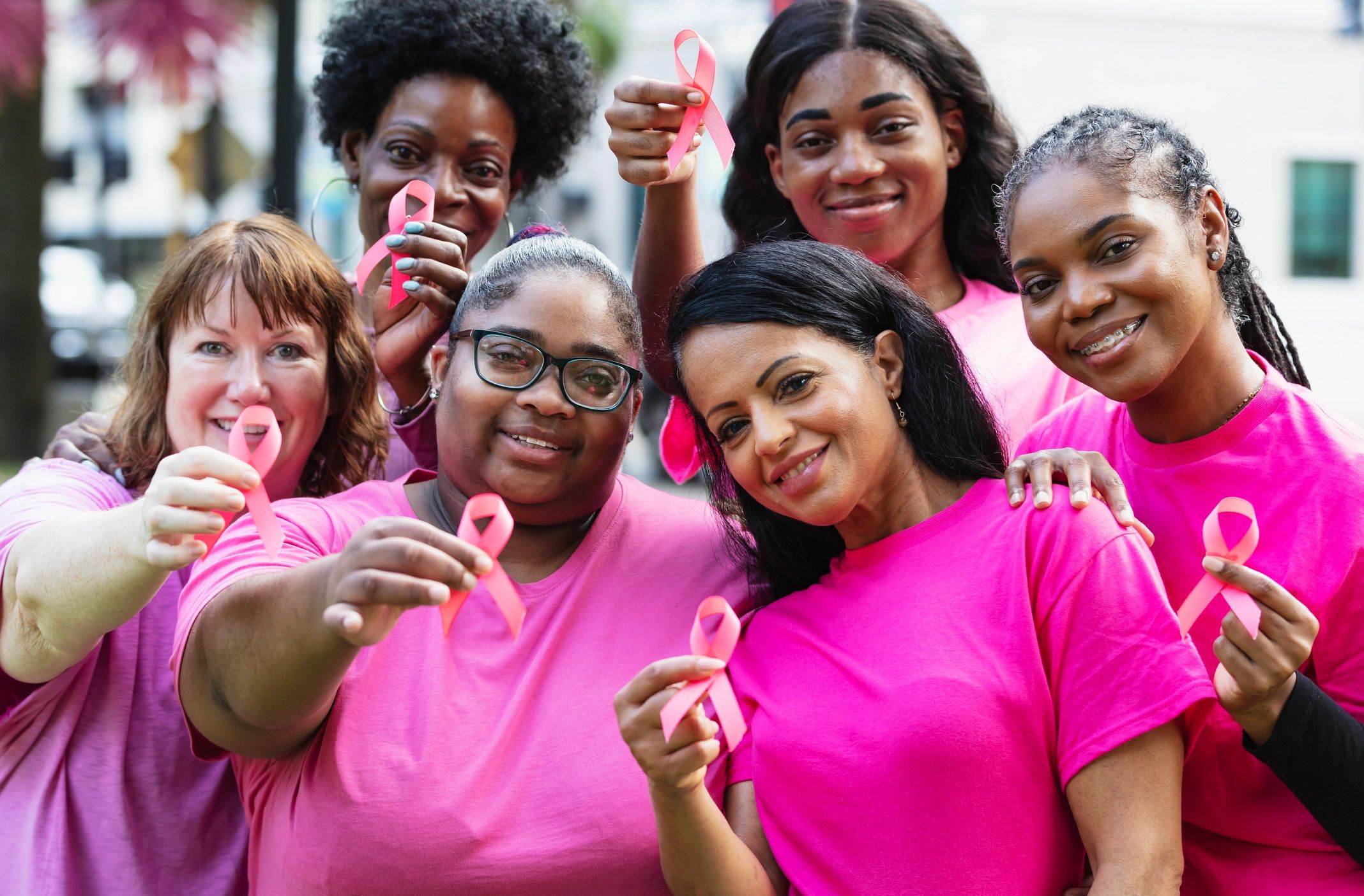
Harnessing the strength of community
Peer Influence & Community Support
We examine the powerful role of peer networks, social support, and group norms in shaping health decisions and resilience.

Celebrating culture, inspiring change
Culture-Driven Health Behaviors
Our research centers Black women’s cultural strengths, traditions, and values as key drivers of health behavior and empowerment.
Get Involved with PAIRADIME
Ready to make a difference in understanding and addressing cardiometabolic health disparities affecting Black women? Explore our research, share your insights, or connect with our team to collaborate on innovative solutions that center biopsychosocial and cultural factors.